
“Give me a place to stand, and a lever long enough, and I will move the world.” — Archimedes
Two Types of Leverage
- Permissioned Leverage
- Labor (worst)
- Capital
- Permissionless Leverage (best) (Intellectual Properties)
- Code
- Content/Media (Text, Audio, Video)
Adapted by Alex Hormozi
- Collaboration (other people’s time)
- Capital (other people’s money)
- Code (use a machine’s time)
- Content (other people’s attention)
💡 Guiding Principle
1. In The Internal (i.e., personal) World, Focus On The Strengths (unfair advantages), Not Weaknesses
“Success is achieved by developing our strengths, not by eliminating our weaknesses.” — Marilyn vos Savant
Emphasize strengths. Don’t fix weaknesses.
“The superheroes you have in your mind (idols, icons, titans, billionaires, etc.) are nearly all walking flaws who’ve maximized 1 or 2 strengths. Humans are imperfect creatures. You don’t “succeed” because you have no weaknesses; you succeed because you find your unique strengths and focus on developing habits around them.” — Timothy Ferriss, Tools of Titans: The Tactics, Routines, and Habits of Billionaires, Icons, and World-Class Performers
The Circle of Competence by Warren Buffett (The Zone of Genius)
Focus on better use of your best weapons instead of constant repair.
First and foremost, concentrate on your strengths. Put yourself where your strengths can produce results. Second, work on improving your strengths. 1
- We can only make our most significant contributions when we act from our strengths.
- We achieve the greatest impact not by focusing on improving our weaknesses, but by fully leveraging our strengths.
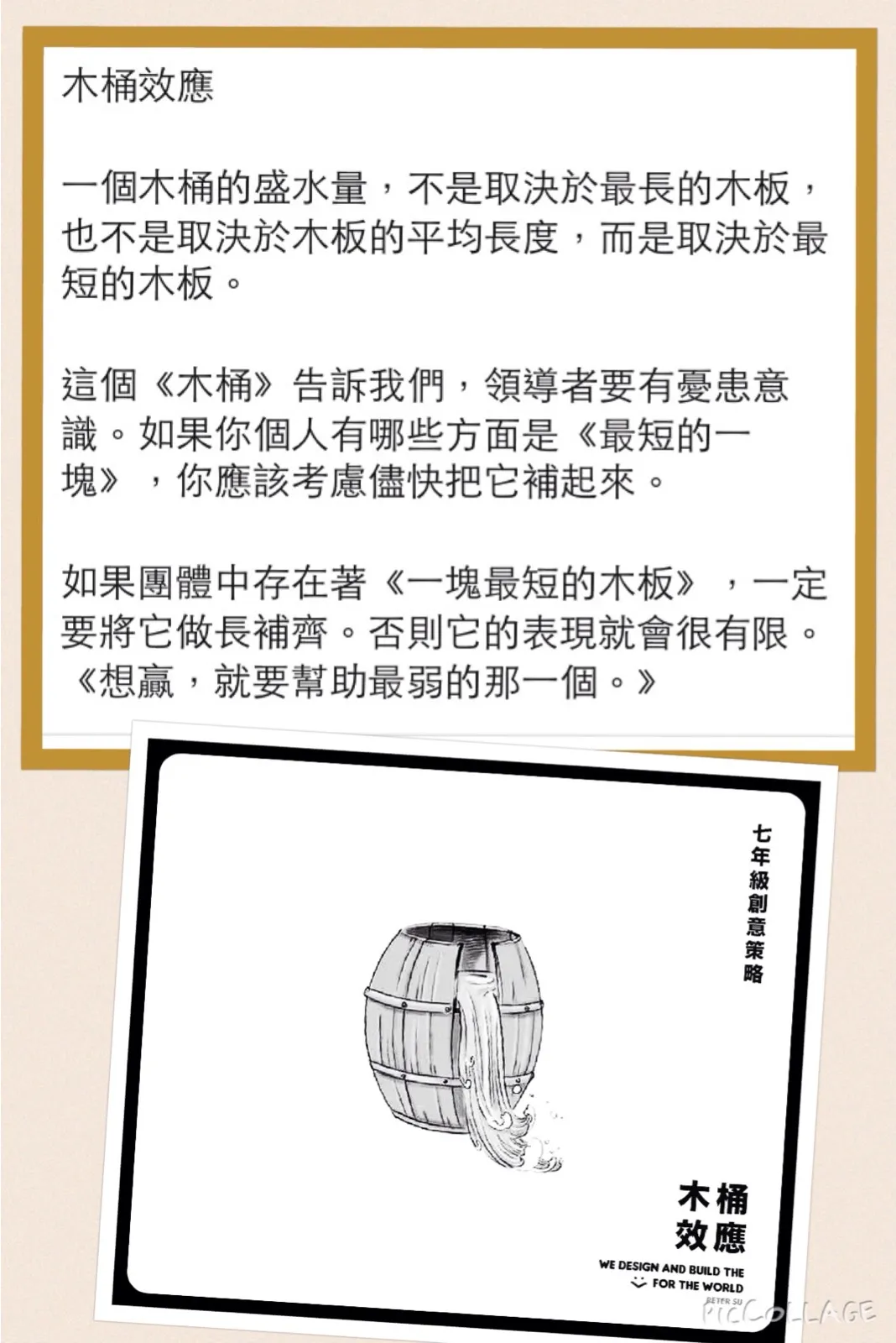
2. In The External (i.e., non-personal) World, Focus On The Weaknesses (bottlenecks), Not The Strengths
Example: Any system
Footnotes
-
The only way to discover your strengths is through feedback analysis. ↩